

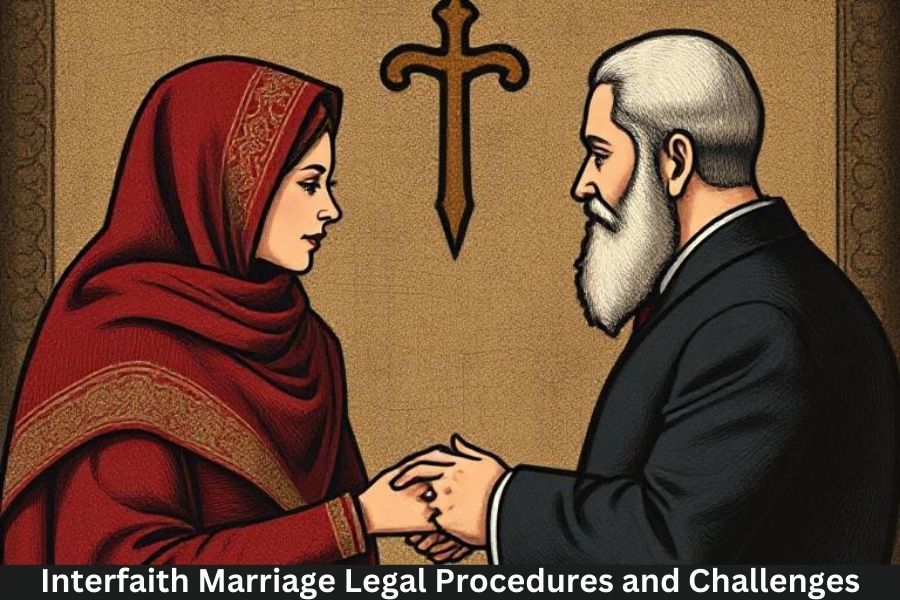
Love rarely checks your surname, caste, or religion before knocking on your heart’s door. It just arrives — unexpected, thrilling, sometimes inconvenient, always powerful.
Interfaith marriages are a beautiful reflection of that reality. Two people from different religious backgrounds deciding to build a life together. Sounds simple, right?
Well… emotionally, yes. Legally and socially? Not always.
Why Legal Awareness Matters
Many couples assume love is enough. And while love is the foundation, legal awareness is the safety net. Without understanding the legal procedures, couples often face delays, objections, stress, and confusion.
Knowing the law doesn’t make the journey less romantic — it makes it less chaotic.
Understanding Interfaith Marriage
What Is an Interfaith Marriage?
An interfaith marriage occurs when two individuals belonging to different religions marry each other. It could involve any combination — Hindu-Muslim, Sikh-Christian, Jain-Parsi, or others.
At its core, it’s simply two adults choosing partnership beyond religious identity.
Social vs. Legal Recognition
Here’s where things get interesting.
A marriage may be socially celebrated but legally incomplete. Or legally valid but socially contested. Legal recognition ensures rights related to inheritance, property, legitimacy of children, and spousal benefits.
In short: social approval feels good, but legal approval protects you.
Legal Framework Governing Interfaith Marriage
Special Marriage Laws
In many countries, interfaith marriages are governed by civil marriage laws designed specifically for couples from different religions.
These laws allow individuals to marry without converting to each other’s faith.
Personal Laws vs. Civil Laws
Personal laws are religion-based. Civil laws are neutral.
If a couple marries under personal law, religious requirements apply. Under civil law, the state governs the marriage regardless of religion.
For interfaith couples, civil marriage laws are often the most practical route.
Eligibility Criteria for Interfaith Marriage
Before paperwork begins, eligibility must be satisfied.
Age Requirements
Both partners must meet the legal minimum age for marriage. This varies by jurisdiction but typically requires adulthood.
Mental Capacity
Both individuals must be of sound mind, capable of understanding the nature of marriage and giving valid consent.
Marital Status
Neither partner should have a living spouse at the time of marriage unless the law permits otherwise.
Simple requirements — yet commonly overlooked.
Step-by-Step Legal Procedure
Let’s walk through the typical civil interfaith marriage process.
Filing Notice of Intended Marriage
The couple submits a formal notice to the marriage registrar. This acts as a public declaration of intent.
Think of it as legally saying: “Yes, we plan to do this.”
Publication of Notice
The notice is displayed publicly at the registrar’s office. Transparency is the goal.
Objection Period
There is usually a waiting period during which objections can be raised. Objections must be legally valid — not emotional protests disguised as legal concerns.
Marriage Registration
If no valid objections arise, the marriage is solemnized and officially registered.
Congratulations — love now has legal backing.
Documents Required
Paperwork is the silent gatekeeper of marriage legality.
Identity Proof
Government-issued identification confirming name and age.
Address Proof
Verification of residence, often necessary for jurisdictional purposes.
Affidavits
Sworn declarations regarding marital status, consent, and eligibility.
Missing documents are one of the biggest causes of delay.
Common Legal Challenges
Even when couples follow procedures, obstacles appear.
Objections and Delays
Sometimes objections are filed strategically to delay the process. While many are dismissed, they create stress and uncertainty.
Documentation Issues
Incorrect names, mismatched addresses, spelling errors — tiny mistakes, massive headaches.
Administrative Hurdles
Slow processing, unclear communication, procedural technicalities. Bureaucracy can test patience like nothing else.
Social and Emotional Challenges
Legal issues are only half the story.
Family Resistance
Parents may fear societal judgment, cultural dilution, or religious concerns.
Community Pressure
Couples may encounter gossip, criticism, or even hostility.
Emotional Stress
Balancing love, loyalty, identity, and expectations can feel like walking a tightrope during an earthquake.
Safety and Protection Concerns
In some cases, challenges escalate beyond discomfort.
Legal Safeguards
Courts often provide remedies if couples face threats or harassment.
Seeking Police Protection
When safety becomes a concern, couples may seek official protection.
Because marriage should begin with celebration — not fear.
Rights of Couples in Interfaith Marriages
Legal marriage ensures critical rights.
Inheritance Rights
Spouses gain rights under succession laws.
Property Rights
Legal recognition impacts ownership, transfer, and claims.
Children’s Legitimacy
Registered marriage protects the legal status of children.
Misconceptions About Interfaith Marriage
Let’s clear some myths.
Forced Conversion Myths
Civil marriage laws typically do not require conversion.
Legal Validity Doubts
A properly registered civil marriage is legally valid, regardless of religion.
Tips for a Smooth Legal Process
Want fewer surprises?
Consult a Legal Expert
Professional guidance prevents costly mistakes.
Prepare Documents Early
Double-check everything. Then check again.
Plan for Waiting Periods
Patience isn’t optional — it’s essential.
Role of Legal Counseling
Pre-Marital Counseling
Helps couples discuss expectations, finances, beliefs, and family dynamics.
Conflict Resolution
Useful when disagreements arise from cultural or religious differences.
Conclusion
Interfaith marriages represent courage, commitment, and the triumph of personal choice over rigid boundaries. But love alone cannot navigate legal complexities.
Understanding procedures, preparing for challenges, and staying emotionally resilient transform the experience from stressful to empowering.
Because at the end of the day, marriage isn’t just about two people saying “I do.”
It’s about ensuring the world — and the law — recognizes that promise too.
FAQs
1. Is conversion required for an interfaith marriage?
In civil marriages, conversion is generally not required. Laws vary by country.
2. How long does the legal process take?
Typically includes a mandatory notice and waiting period, often around 30 days.
3. Can families legally stop an interfaith marriage?
Only valid legal objections are considered — not personal disagreement.
4. Are children from interfaith marriages legally protected?
Yes, if the marriage is legally registered.
5. Should couples hire a lawyer?
Not mandatory, but highly recommended for smoother processing.